How to Prepare for Your Trial at condition1combat.com MMA Gym
Walking into a new gym for the first time carries a charge that is hard to fake. You are stepping into a room where people test themselves honestly, where coaches care about details that don’t show up on social media, and where the floor mats tell the story of the last hard round. If you are booking a trial at the Condition 1 Combat Center MMA gym, or scouting via condition1combat.com to line up your first visit, the right preparation will help you get the most from that hour. This guide lays out what to expect, how to gear up, and how to read the room like someone who has done this before.
What a trial at Condition 1 Combat Center feels like
Most trials at a serious MMA gym, including the MMA gym Condition 1 Combat Center, follow a steady rhythm. You arrive a few minutes early, handle a short waiver and a quick health check-in, and meet a coach who asks your experience level and goals. After a short orientation on mat etiquette, you slip into the warm-up with the class. Expect jump rope or light movement, mobility work, and technical drilling. Live rounds, if included, come later, and sparring intensity is scaled to your experience. If you have never trained, many gyms keep you in controlled partner drills and situational rounds rather than full-contact sparring on day one.
The team will cue you on house rules. Shoes stay off the mats. If you need to leave early, let the coach know. Tap early in grappling. Communicate between rounds in striking. It is not theater, it is risk management. And it is one of the reasons people stay in the sport for years rather than months.
Choose the right trial class for your goals
Condition 1 Combat Center offers a broad slate, from beginner-friendly striking to Brazilian Jiu Jitsu, and mixed classes that combine wrestling, clinch work, and ground transitions. Matching your trial to your goals is the first smart move.
If your priority is learning how to fight in a full ruleset, the MMA training at Condition 1 Combat Center gives you a taste of how phases connect. Expect cage-wall drills, ground-and-pound mechanics, and transitions from strikes to takedowns. If you come from a wrestling background, this class will feel familiar around clinch work but new when strikes change your entries.
Brazilian jiu jitsu is a different pace. The Condition 1 Combat Center BJJ gym side of the house focuses on positional control, submissions, and defense. You will learn how to fall, how to move on the ground without burning out your grip, and how to tap without ego. It is strategic and, at first, exhausting in a surprising way. For self defense minded beginners, the brazilian jiu jitsu training at Condition 1 Combat Center offers practical fundamentals like posture in closed guard, framing against pressure, and getting back to your feet safely.
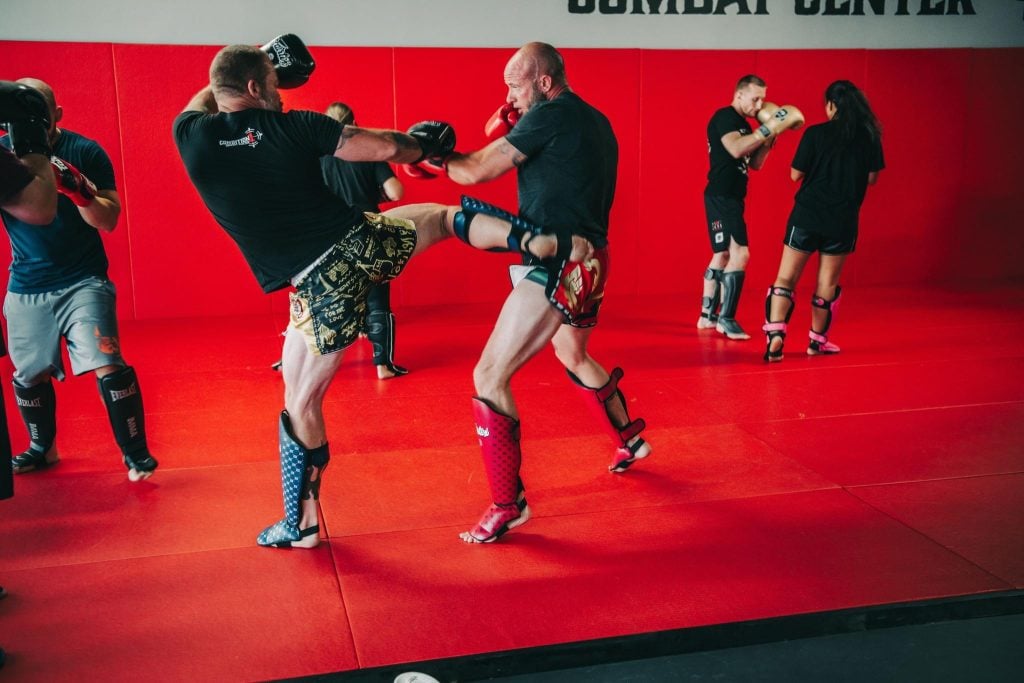
If you want to improve your stand-up, the muay thai gym at Condition 1 Combat Center teaches footwork, striking with hands, shins, knees, and elbows, plus clinch control. Your shins will not harden in one day, but you can learn how to check kicks and keep your guard in the right place. The boxing program builds crisp fundamentals that transfer to all striking arts. The Condition 1 Combat Center boxing gym emphasizes stance, jab mechanics, defense layers, and ring craft. It is a clean way to develop timing without layering on too many tools at once.
There are also self defense classes at Condition 1 Combat Center that frame techniques around common street encounters. The pace is often more scenario driven and accessible if you are unsure about jumping into full MMA or hard sparring.
Scheduling and the quick admin tasks
Most people book through condition1combat.com. When you pick a class, note skill level tags and whether sparring is included. If the site suggests “all levels,” that usually means the coach can scale to you. If a class says “intermediate,” do not treat that as a dare. You’ll get much more from a technically focused fundamentals class during your first visit, even if you have lifted weights or played team sports for years.
Plan to arrive 15 to 20 minutes early. That buffer covers paperwork, changing, coach introductions, and a short tour. Share any recent injuries and training experience honestly. If your shoulder clicks or you had a concussion in the last year, say so. Coaches at an MMA gym like Condition 1 Combat Center are used to modifying training in smart ways, but only if they know what they are working with.
What to bring: a realistic first-visit kit
- Government ID, water, and a small towel
- Mouthguard and hand wraps if you plan to strike
- Clean shorts or leggings and a breathable shirt, plus a spare top
- Shin guards and 14 to 16 oz gloves if you have them, otherwise ask about loaners
- For BJJ, a well-fitting gi or rashguard and shorts, plus flip flops for off-mat movement
If you already own gear, check for tears, loose stitching, and sharp edges on velcro. Nothing ruins a first round like a glove that scrapes your partner. If you do not have equipment, ask the front desk whether the MMA gym condition1combat.com can loan items and what the sanitation process is. Many gyms sell beginner packages at fair prices, which can be a smarter move than rolling the dice on unknown brands online.
Prepare your body the right way
You don’t need to peak for a trial class, but some choices in the 48 hours beforehand will shape your experience.
Sleep and hydration matter most. Aim for 7 to 9 hours of sleep the night before, and start hydrating earlier in the day. Two to three liters of water across the day with a pinch of salt or an electrolyte tab will prevent that empty, crampy feeling that shows up in round three. Eat a balanced meal two to three hours before class, with a thumb-sized serving of fat, a palm of lean protein, and one to two cupped hands of carbs if you are new to high-output intervals. A banana or small yogurt 30 to 60 minutes before class can top you off without sitting heavy.
Warm-up habits say a lot about how you train. If you have tight hips or shoulders, spend five minutes doing targeted mobility at home so you arrive with joints ready to move. On the mat, mirror the class warm-up and avoid static stretching when your body is cold. Light jogging in place, hip openers, controlled dynamic reaches, and banded shoulder activations are enough.
Etiquette that keeps training smooth
Every gym has its culture, and the MMA training at Condition 1 Combat Center values clean mats, clear communication, and partners who take care of each other. Wash your hands, clip your nails, and keep hair tied back. Do not step on the mats with shoes. If you are late, wait at the edge until the coach waves you in to avoid disrupting a drill.
In striking classes, ask your partner whether they are comfortable with contact and at what intensity. Partners often use cues like 30 percent, 50 percent, or “touch sparring.” Stick to what you agree. In grappling, tap early, tap clearly, and release holds immediately when your partner taps. If you feel a joint reach end range, do not wait for the tap.
When in doubt, ask. Good coaches would rather answer a simple question than see a risky guess. That goes for rules in the MMA gym Condition 1 Combat Center as well as positioning and technique.
Understanding intensity and scaling
You can learn a lot on your first day without turning it into a survival test. A seasoned coach can scale almost everything:
- If the class hits live rounds, you can do focused situational rounds instead, like starting in half guard or working only jab defense.
- If your cardio is behind, pick a steady pace and keep clean form rather than gasping in the first minute then checking out.
One of the fastest ways to earn a coach’s trust is to show that you can throttle your intensity while staying technical. The athletes who last are not the ones who try to win every drill, they are the ones who move thoughtfully, ask targeted questions, and make their training partners better.

What to expect in each discipline on day one
Brazilian jiu jitsu: Expect a quick primer on breakfalls, shrimping, bridging, and a basic submission or guard pass. You may roll light with an upper belt who steers the pace. You will be surprised by how often your hands and forearms get tired. Focus on posture, inside hand position, and keeping your elbows close.
Muay Thai: The coach will likely cover stance, guard, basic footwork, and jab-cross mechanics, then add a kick or knee. Pad rounds build coordination quickly. Keep your chin tucked, elbows in, and hands up as you reset. If you have never kicked a heavy bag, start smooth and snap at the end rather than hacking with all your weight.
Boxing: You will learn stance, jab, cross, and maybe a hook, then simple defense like a slip or parry. The rhythm of boxing is different than fitness bag-work. Listen for cues on range and balance. You will not fix footwork in one class, but you can avoid big mistakes like crossing your feet or squaring up.
MMA: Drills often connect striking to takedowns and ground control. Wall-walks, sprawls, and pummeling are common. If you are newer, mind your head position, keep your posture safe in the clinch, and ask for clarity when hands-on wrestling transitions mix with strikes.

Self defense: Scenario drills target common grabs, pushes, or clinch entries, plus awareness of distance and line of exit. Expect a frank tone about what works under stress and what tends to fall apart.
Safety and hygiene are part of training, not an add-on
Skin checks are a quiet, serious part of gym life. Do not train if you have an open cut or suspicious rash. Bring flip flops for bathroom trips. Wipe down loaner gear and your own equipment after class. If you try the grappling program at the Condition 1 Combat Center BJJ gym, wash your gi or rashguard the same night. It sounds fussy, but hygiene habits separate healthy training streaks from interrupted months.
On the contact side, a boiled or properly fitted mouthguard is cheap insurance. In striking, 14 to 16 oz gloves help protect partners. In BJJ, a soft knee sleeve can help if you have old patellar issues. Share relevant injuries with partners before rounds, not after.
How coaches measure a good fit on day one
During a trial, coaches are not grading you like a school exam. They are watching for trainability, composure, and basic movement quality. If you come with experience, they will see whether you can adjust to house style. If you are new, they will see whether you listen, hold safe posture under light stress, and respect partners. The MMA training Condition 1 Combat Center coaches know that base strength and cardio can be built. A teachable mindset is the rare trait.
If you are experienced and dropping in, do not treat a trial like an audition. Flow at 70 percent, move clean, and keep your toolkit simple. Let the coach see your timing and control. Ask about their expectations for sparring days and how they structure fight camps. Rooms differ, and blending in well will earn you harder rounds later when it counts.
A simple way to judge whether the gym fits you
When you tour and train, read the cues. The right gym for you balances hard work with safety, ambition with humility, and clean facilities with real training scars. Use these quick checks to anchor your judgment:
- Coaching clarity: Do instructions land in specific, testable steps, or vague hype?
- Partner quality: Do higher belts or advanced strikers take care of beginners while still challenging them?
- Culture and accountability: Are late hits, cranking subs, and ego tolerated, or corrected immediately?
- Hygiene and logistics: Are mats clean, gear organized, and schedules accurate on condition1combat.com?
- Progression: Is there a clear path from fundamentals to advanced classes and, if you want, to competition or real-world self defense proficiency?
A strong room at the MMA gym Condition 1 Combat Center should tick these boxes. If a gym checks only the marketing box, keep looking.
A realistic first-visit timeline
Arrive 20 minutes read more early to handle the waiver and settle in. Ask where to store your bag and where to fill water. Change, then watch the tail end of the prior class to absorb the space. Meet your coach five to ten minutes before your start time. Share your experience and any injuries in one or two clear sentences.
Class begins with a general warm-up, then specific prep for the day’s technique. You partner up, drill with progressive resistance, and get short pointers. Live work, if any, is short and focused. Coaches usually spend the last five minutes on recap and announcements. After class, you can ask one targeted question. Keep it brief and relevant to what you just did.
On the way out, make a mental note: Did you learn something concrete you can explain to a friend? Did you feel safe even when moving fast? Those are green lights.
Cost, trials, and membership choices
Most serious gyms offer complimentary or low-cost trial classes. Check the MMA gym condition1combat.com site for current offers. If you plan to train more than twice a week, unlimited memberships typically save money after a month or two. Ask whether memberships include access across programs, such as BJJ, Muay Thai, boxing, and open mat sessions. If you only want one discipline, a single-program option may suit you better.
Ask about class caps, waitlists, and whether beginners get priority slots in fundamentals classes. If you travel for work, see if they freeze memberships easily. The best policies are simple and clear.
Recovery after your trial
Treat your first day like the start of a training week. Within an hour of class, hydrate and eat a balanced meal. Light walking or a short spin helps flush your legs and lower back. If your forearms feel lit up after BJJ, contrast a warm rinse with a cool rinse and spend two minutes opening your fingers against a rubber band. If you took a few body kicks in Muay Thai, elevate your legs for 10 to 15 minutes at night.
Delayed onset muscle soreness peaks around 36 hours. That is normal. Do gentle mobility and stay consistent with hydration and protein. Unless you are injured, moving the day after is usually better than complete rest.
How to follow up with the coaches
Send a short note or ask the front desk two or three specific questions within a day or two, while the class is fresh in your mind. Effective questions look like this: How should I structure two days of striking with two days of BJJ as a beginner? What size gloves do you prefer for partner drills? If I have an old ankle sprain, which warm-up movements should I emphasize? You will get better answers than if you ask, How do I get good fast.
If you plan to return, book your next two classes immediately. Momentum matters more than motivation in month one.
Building a safe and effective first month
Your first four weeks set the tone. Beginners often try to stack volume too quickly. A better pattern looks like three sessions a week, split between a striking day, a grappling day, and a mixed or conditioning session. Track how you feel an hour after class and the next morning. If you are wrecked, trim five to ten minutes off live drilling or remove one round until your baseline improves.
Learn your stance and posture first, then your exits. In BJJ, that means learning frames and hip movement before big submissions. In striking, that means finding your jab, your guard, and your footwork before complicated combinations. Write down one technical cue per class. A small notebook outperforms a scattered camera roll.
Common questions new members ask
What if I am not in shape yet? Training will build the shape you need. Jogging helps, but your lungs will still protest during pad rounds if you have not done them. Scale appropriately and be consistent.
Do I need my own gear? It helps. The Condition 1 Combat Center boxing gym and the muay thai program often have clean loaner gear for trials. For BJJ, a rashguard and shorts are usually enough for no-gi, and the condition1combat.com BJJ gym can advise on gi sizing if you decide to buy.
Is sparring mandatory? No. Many classes separate technical work, drilling, and live rounds. Communicate with the coach, and your training can be productive without heavy contact on day one.
What about age or past injuries? I have coached athletes who started at 14 and at 57. The key is communication and pacing. Share your history, then listen to the coach’s modifications.
Can I combine disciplines? Yes, and thoughtful combinations work well. Boxing pairs cleanly with wrestling or BJJ. Muay Thai integrates well with MMA training at Condition 1 Combat Center because of clinch mechanics.
Coach’s notes from the floor
Small details add up. Bring a spare shirt if you sweat heavily. Tape your wrists under wraps if you have old sprains. Do not yank on a guillotine with your arms if you feel your chest heaving. Reset your posture and frame. In pad rounds, exhale on every strike, even the short ones. On the wall in MMA class, keep your head under your partner’s chin when driving for a takedown, and never let your shoulder drift past your toes or you will tip.
I have seen more trials derailed by pride than by lack of fitness. If a coach tells you to slow down, thank them and do it. If a partner offers feedback that keeps you safe, accept it. You are building habits you will carry for years.
Why Condition 1 Combat Center stands out
The value of a gym lives in its people. The breadth of classes, from the dedicated Condition 1 Combat Center brazilian jiu jitsu training schedule to structured MMA practice blocks, means you can find a lane and grow. Coaches who can teach a clean jab and also correct your head position on a single-leg are rare. A room that cleans its mats twice a day and separates beginner and advanced rounds keeps you healthy. When you scan condition1combat.com for scheduling and see consistent start times, that is not an accident, it is professionalism.
You want a gym that treats self defense as a skill to be drilled and measured, not dramatized. You want partners who can put you in a bad spot without trying to hurt you. The best rooms at the MMA gym Condition 1 Combat Center do exactly that.
Your next steps
If you are on the fence, book the trial. Pick a class that aligns with your goals, show up 20 minutes early, and control your pace. Bring water, a mouthguard, and an open mind. Read the room, ask one or two smart questions, and leave with a note you can practice at home. Schedule your next session before you forget how good it felt to do something hard and honest.
The first visit is not a performance, it is a conversation with a new room. Treat it that way, and you will learn more, stay safer, and find out quickly whether the MMA training condition1combat.com offers is the right home for your next chapter.